


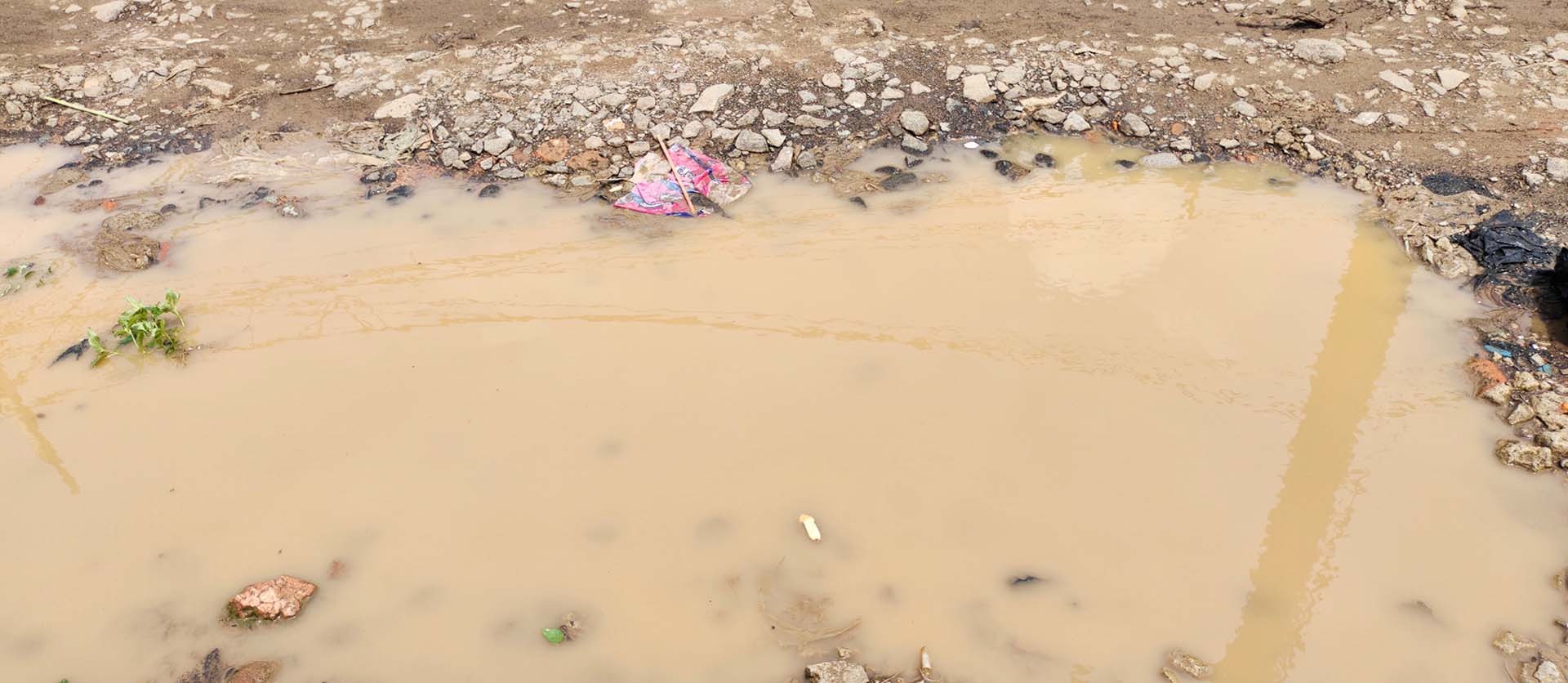
Drainage plays a crucial role in civil engineering and construction projects.
When drainage systems are poorly planned or incorrectly installed, they can cause serious issues that affect both the construction process and the long-term performance of the infrastructure.
From unexpected groundwater to damaged pipes, construction drainage problems can quickly lead to delays, safety risks, and costly repairs. Understanding the most common issues helps developers and contractors plan and minimise disruption.
Unexpected Groundwater
One of the most common challenges encountered during construction is groundwater. When excavation begins, previously unknown water tables can become exposed, leading to flooding in trenches or unstable ground conditions.
High groundwater levels can cause several problems, including:
- Slower excavation and construction work
- Increased need for pumping and water control measures
- Soil instability around foundations or drainage installations
Careful site investigations and drainage planning help identify potential groundwater risks early, allowing engineers to design systems that manage water safely and efficiently.
Incorrect Drainage Design
Another frequent issue is drainage systems that are not properly designed for the site conditions. Poor gradients, undersized pipes, or incorrect materials can prevent water from flowing effectively through the system.
Common design-related drainage problems include:
- Water pooling or slow drainage
- Blockages caused by poor pipe alignment
- Overflow during heavy rainfall
Working with experienced sewer works contractors ensures drainage systems are designed to cope with both everyday use and extreme weather conditions.
Damaged or Obstructed Pipes
Construction sites often involve heavy machinery and ongoing excavation, which increases the risk of damaging drainage pipes or infrastructure. Pipes can also become obstructed by debris, soil, or construction materials if proper protection measures are not in place.
Typical pipe-related issues include:
- Cracked or collapsed pipes
- Blockages caused by construction waste
- Misaligned pipe connections
Routine inspections and careful installation processes help prevent these problems and ensure drainage systems function correctly.
Poor Surface Water Management
Surface water must be carefully managed during construction projects, especially on highways and infrastructure developments. Without proper drainage, rainwater can accumulate on surfaces or enter unfinished systems.
This can lead to:
- Waterlogged construction areas
- Delays due to unsafe working conditions
- Damage to newly installed road surfaces or groundworks
Effective planning ensures surface water is diverted safely throughout the construction process.
The Importance of Early Planning
Construction drainage problems are far easier to prevent than to fix. Thorough site surveys, experienced contractors, and well-designed drainage systems can help ensure projects progress smoothly. By identifying potential risks early and working with skilled teams, construction projects can avoid costly delays and deliver long-lasting infrastructure.
Our team has a wealth of experience with simple and complex sewer and drainage systems, and we’ve worked on projects of all sizes. This means the drain specialists at SB Civils are well equipped to deal with a wide array of drainage problems, no matter how challenging the task.